Electrical, fire & safety compliance for community halls & places of worship
Buildings that bring people together still carry real safety duties. EFS keeps your hall, church or community building tested and certified - fire cover, emergency lighting and electrics - so gatherings are safe, your insurance holds, and volunteers are not left carrying the risk.
The compliance picture
What a hall or place of worship has to stay on top of
Community buildings gather the public - often in older premises run by volunteers - and that combination brings clear fire and electrical duties. Whoever manages the building is the responsible person for fire safety, and hired-out halls are usually expected to have current certificates.
- Public gatherings need dependable fire cover and clear, lit exits
- Older wiring and heating benefit from regular fixed-wire inspection
- Kitchen, PA and hall equipment need PAT testing
- Hirers and insurers commonly ask to see current safety certificates
What we cover for halls & places of worship
Everything a community building needs to keep gatherings safe - explained plainly for volunteers.
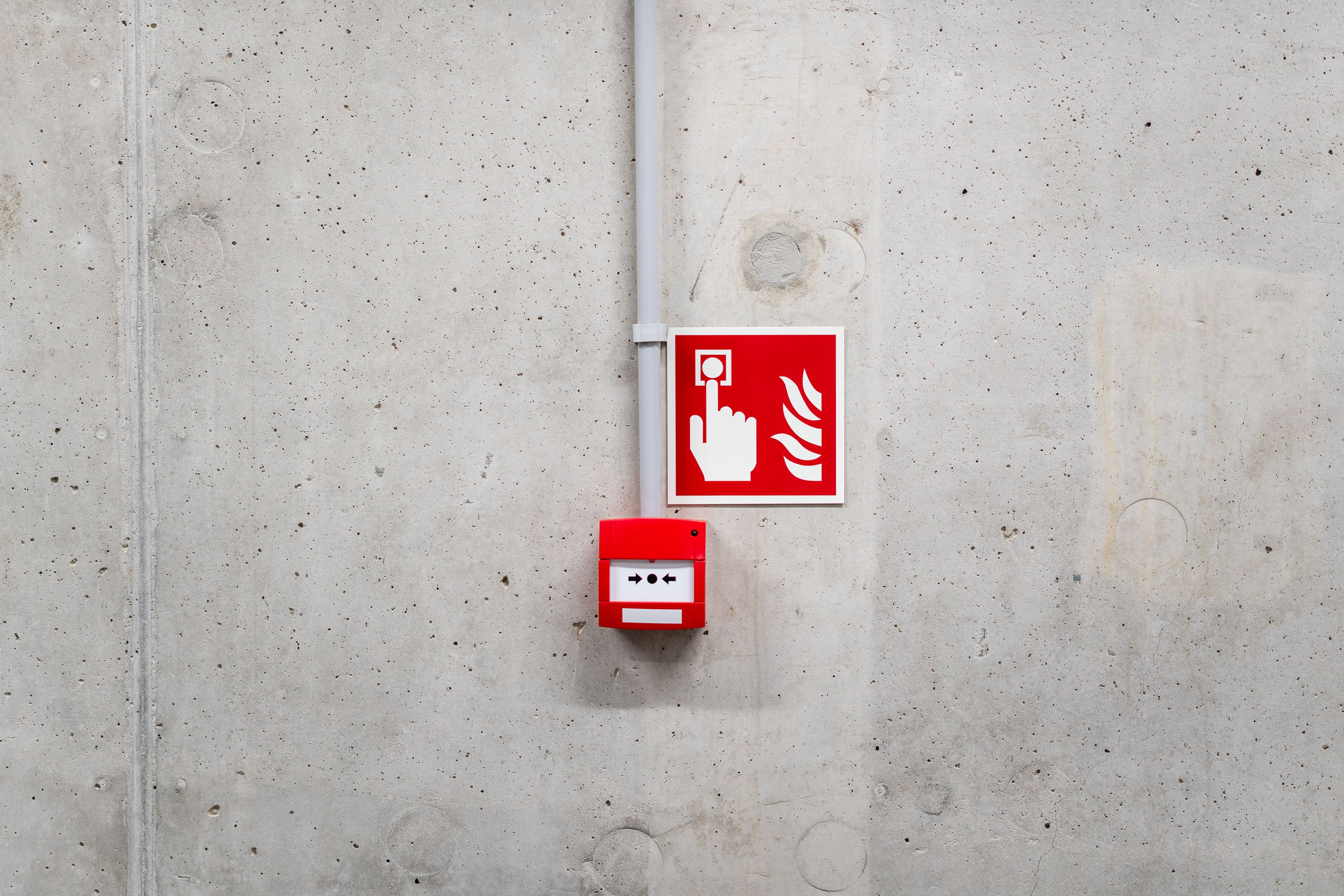
Extinguisher servicing and alarm testing sized for public gatherings.
Escape-route lighting tested so people can leave safely in a power cut.
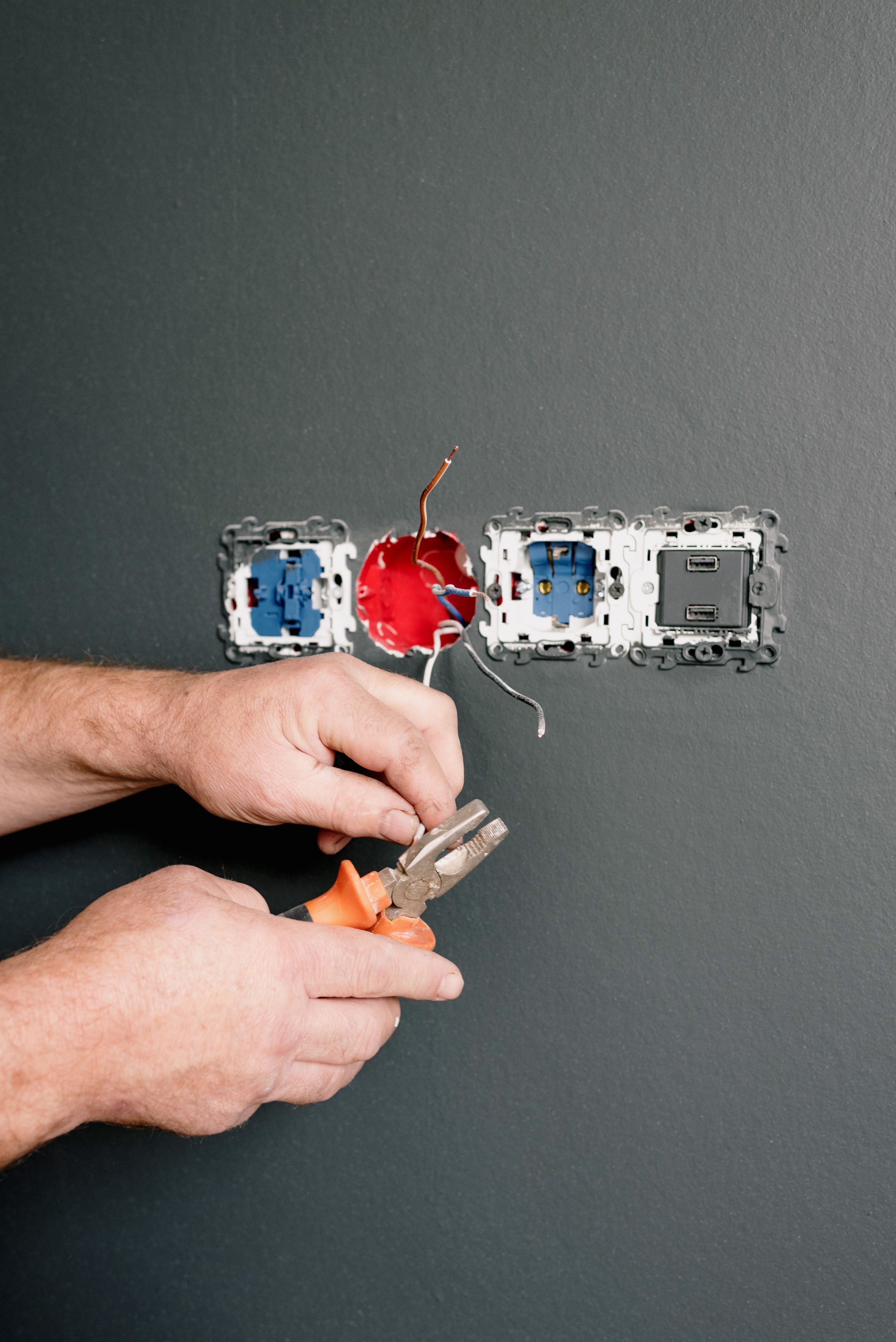
Periodic inspection of the building's installation, older wiring included.
Kitchen, PA, heating and hall equipment tested and labelled.
Straightforward advice on what your building needs, aimed at volunteer committees.
Every date tracked and booked around your bookings and services, so nothing lapses.
Why EFS
One plan, and volunteers are off the hook
Committees change, and safety knowledge can walk out the door with them. Put the building's fire and electrical testing on one EFS plan and it is tracked, scheduled and certified whoever is on the committee this year - so nobody is left holding an unknown risk.
- One provider and one point of contact, year to year
- Testing scheduled around services, hires and events
- Certificates on file for hirers, trustees and insurers
Frequently asked questions
-
Whoever has control of the building - usually the management committee or trustees - is the responsible person under the Regulatory Reform (Fire Safety) Order 2005. That means maintained fire equipment, working emergency lighting and clear exits. We keep it all serviced and explain plainly what applies.
-
It is strongly advisable, and hirers and insurers frequently ask for a current fixed-wire (EICR) certificate. Older community buildings especially benefit from regular inspection. We survey the building and recommend a sensible interval.
-
Absolutely. We are used to working with volunteer committees and trustees, and we explain what your building needs in plain English - no jargon, no scare tactics, just what the law actually requires.
-
Yes - fire, emergency lighting, fixed-wire and PAT testing on one modest monthly plan, scheduled and certified automatically, so the building stays covered without a big annual bill.